Why Are Work-From-Home Memes Still So Relatable?
- Primary Signal: Why Are Work-From-Home Memes Still So Relatable?
- Overview: The video-call jokes should have died years ago, yet work-from-home memes keep going viral. Here is why they still feel so personal to millions of remote workers....
- Verification: Analyzed and compiled by ViralBuzz 168 editorial monitoring desk.
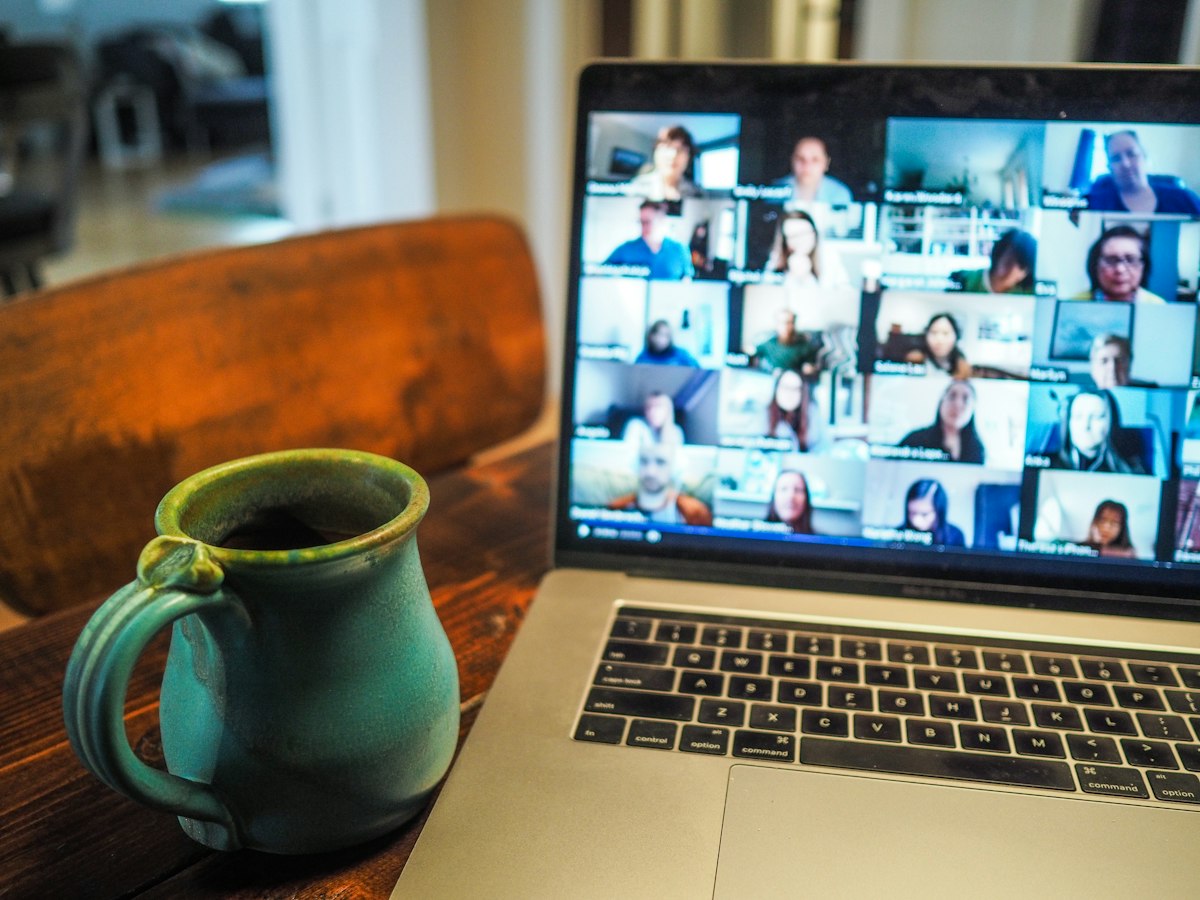
Years after offices reopened, work-from-home memes are still everywhere. A joke about a meeting that could have been an email, a cat walking across a keyboard during a video call, or the struggle of looking professional from the waist up still gets shared thousands of times a day. The reason is simple: for millions of people, remote and hybrid work is no longer a temporary experiment. It is everyday life, and memes are how everyday life gets processed into humour.
The first reason these memes last is universality. Almost everyone who has worked from home has experienced the same small absurdities: the frozen screen at the worst moment, the background noise that is definitely not a dog, the calendar packed with back-to-back calls, and the commute that is now measured in steps rather than miles. A meme that captures one of those moments feels personal to millions of people at once, and that shared recognition is what makes people hit share.
The second reason is that work-from-home memes say things workers cannot say out loud. Complaining about meetings, managers, or workloads in a public post can be risky, but sharing a meme that says the same thing is safe, funny, and socially acceptable. Memes have always been a pressure valve for frustrations people cannot express directly, and remote work — with its blurred lines between home and office — creates more of those frustrations than most jobs used to.
The third reason is reinvention. Work-from-home memes do not repeat the same joke; they evolve with the culture. Early jokes were about pyjamas and video-call fails. Later jokes moved to return-to-office mandates, hybrid schedules, and the strange new etiquette of being half in the office and half at home. Each shift gives creators fresh material, and each new wave finds a new audience of people living through the same change.
Finally, these memes build community. Remote workers often miss the casual bonding of an office — the shared jokes, the break-room conversations, the feeling that other people understand your day. A meme in a group chat or a feed replaces some of that. Liking and sharing it is a small act of solidarity: I am here too, I get it, and we are in this together. That emotional function is why the format survives long after the novelty of working from home has faded.
The lasting lesson is that the best memes are not about trends; they are about shared truth. Work-from-home memes endure because they describe a real, ongoing experience with humour and honesty. As long as millions of people keep working from kitchens, spare rooms, and home offices, the jokes will keep coming — and they will keep feeling personal, because for the people sharing them, they are.
So the next time a work-from-home meme lands in your feed and you forward it to a colleague without thinking, notice what just happened. You recognised a shared experience, you laughed at a frustration you could not safely say out loud, and you strengthened a small bond with another person living the same strange new work life. That is not trivial. It is the reason a format born in a global disruption is still going strong years later, and it is why the best memes will always be the ones that tell the truth about ordinary life.
That is also why brands and managers who dismiss these memes as idle jokes miss the point. The jokes are feedback: about meetings, workloads, and the reality of remote work. Listen to what people are laughing at, and you will learn more about their working lives than any survey will ever tell you.
📖 Continue Reading the Full Story
Continue reading this article on ViralBuzz 168.
⚡ Access Full Content NowMore from ViralBuzz 168


 🎬 ReelHub Live
Reel Hashtags in 2026: Do They Still Matter?
Hashtags still matter in 2026, but their job has changed: they now help the algorithm understand your topic, n...
 🍿 CosmoCinema 998
Regulatory & Compliance Guide: Playback Speed Calculator — Video Time at Any Speed (Day 25 Guide)
Navigating statutory requirements with the Playback Speed Calculator — Video Time at Any Speed on CosmoCinema ...
 🌍 FreeSky Remote
12 Legit Work-From-Home Jobs You Can Start This Month
Twelve legitimate remote jobs you can realistically start within a month — each with a concrete first step, an...
 💵 GetRichFree Store
Does the 50/30/20 Budget Rule Still Work in 2026?
The 50/30/20 rule is simple, but high housing costs make it feel impossible for many people. Here is where it ...