How to Make a Video Go Viral Without Dancing

- Primary Signal: How to Make a Video Go Viral Without Dancing
- Overview: You do not need a dance routine to go viral. Strong hooks, useful ideas, and relatable stories travel just as far, and often reach a wider audience....
- Verification: Analyzed and compiled by ViralBuzz 168 editorial monitoring desk.
Dance trends dominate feeds, but millions of viral videos have no choreography at all: they teach, surprise, or say out loud what viewers were already thinking. In this guide, we break down what actually matters, what to ignore, and the small practical steps you can take this week to get a clearer answer without overthinking every detail.
Start with the result, the mistake, or the surprising fact, then explain how you got there, because viewers stay when they know why the video matters. A slow hello and introduction loses most viewers in three seconds. That matters because a single snapshot can mislead you, while a pattern over days or weeks usually tells the real story and helps you avoid an expensive or embarrassing mistake. For most readers, the practical next step is to try the idea once in a low-stakes situation, note what worked, and adjust before committing more time or money to it.
A single clear tip, recipe step, repair trick, or money lesson is easier to save and share than a broad topic covered shallowly. Useful videos get saved, and saves are a strong viral signal. In practice, this means slowing down for five minutes, comparing what you see with a trusted second source, and only acting once the picture stays consistent. For most readers, the practical next step is to try the idea once in a low-stakes situation, note what worked, and adjust before committing more time or money to it.
A short story about a real mistake, awkward moment, or small win helps viewers see themselves in your video and tag someone who would relate. Relatability travels further than production polish. The key is to judge the result, not the hype around it: if it does not work in your daily routine, budget, or real-life situation, it is not the right choice yet. For most readers, the practical next step is to try the idea once in a low-stakes situation, note what worked, and adjust before committing more time or money to it.
Cut every pause and repeat, aim for a tight video that ends where it began, and let viewers watch twice without noticing. Looping quietly doubles watch time without extra effort. A useful habit is to write down what you expected, what actually happened, and what you would change next time, because that short note turns a one-off try into real learning. For most readers, the practical next step is to try the idea once in a low-stakes situation, note what worked, and adjust before committing more time or money to it.
Instead of begging for likes, ask a specific question viewers can answer in one line, such as what they would do in your situation. Comments from real answers push a video far more than generic engagement bait. This also protects you from copycat advice: what worked for someone with a different budget, audience, or schedule may need a smaller, cheaper version before it works for you. For most readers, the practical next step is to try the idea once in a low-stakes situation, note what worked, and adjust before committing more time or money to it.
To understand the mechanics behind the trend, start with how viral memes start, then look at funny viral clips and trends and how creators use AI tools to edit viral videos so you can spot the pattern instead of just the punchline.
The bottom line on how to make a video go viral without dancing is that steady, realistic steps beat dramatic shortcuts. Pick one idea from this guide, try it for a week, and judge it by how it actually feels and works in real life, not by how impressive it looks online or in someone else's highlight reel.
📖 Continue Reading the Full Story
Continue reading this article on ViralBuzz 168.
⚡ Access Full Content NowMore from ViralBuzz 168
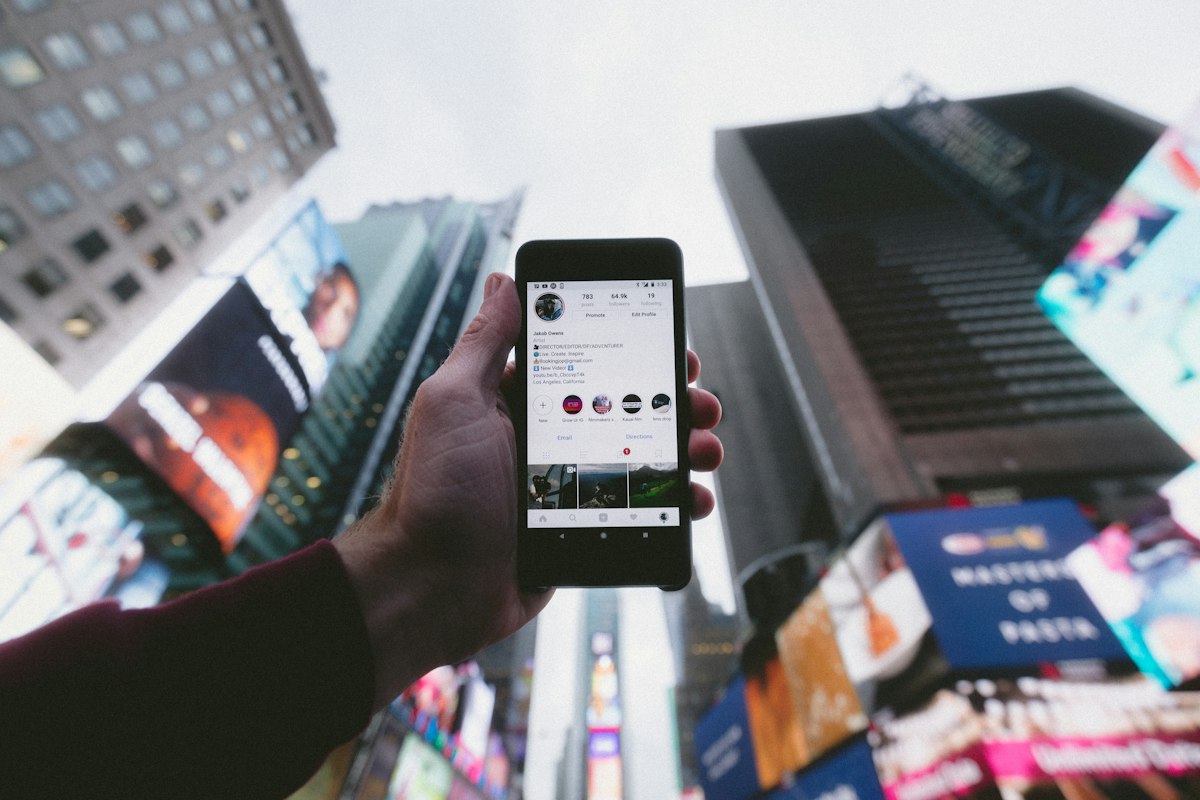

 🎬 ReelHub Live
How to Make a Viral POV Reel for Small Business in 2026
The POV micro-skit is the small business owner's secret weapon: one specific line of text, one mundane action,...
 🛍️ Caylin Shop
Viral Skincare Gadgets: Dermatologist Warnings Guide
Dermatologists warn most about overuse, at-home microneedling, and strong suction tools. Learn the risks, the ...
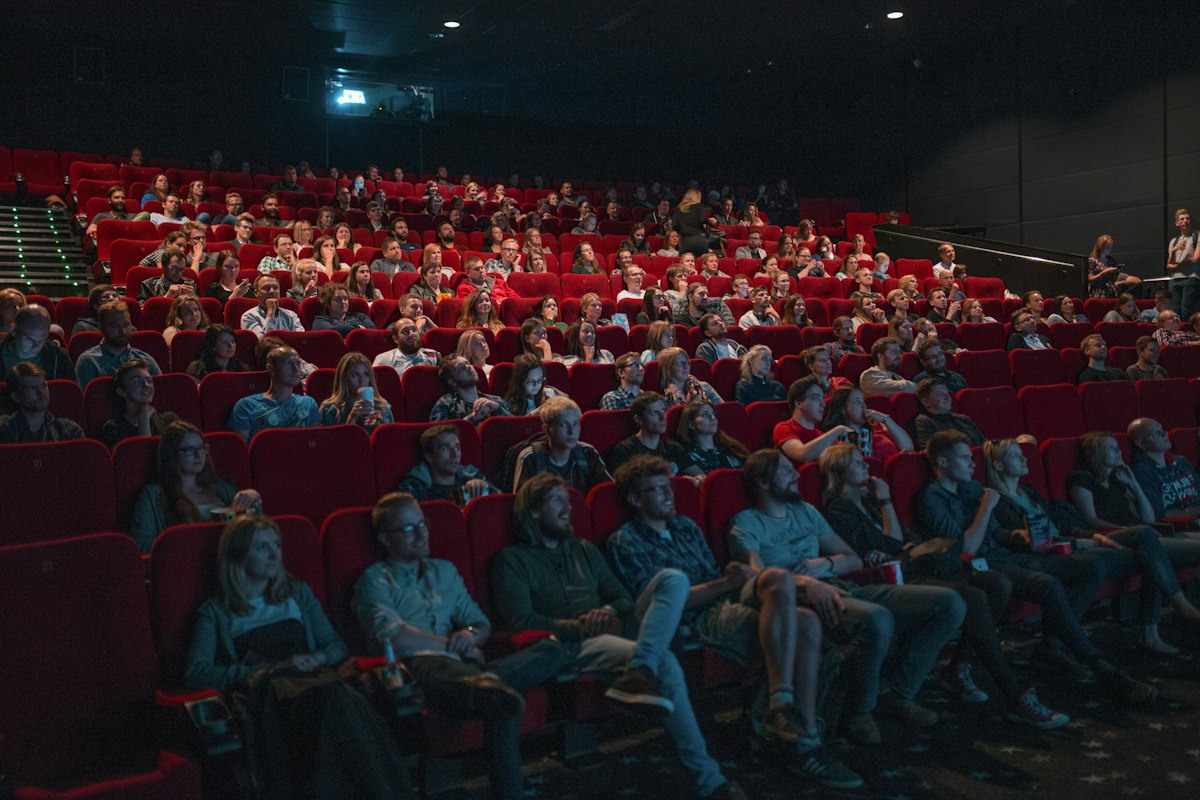 🍿 CosmoCinema 998
How to Download Movies on Amazon Prime Video for Offline Viewing (2026)
Flights, commutes, and dead zones do not have to end your movie plans. Here is how Prime Video's offline downl...
 ⚡ CyberTech 568
How to Speed Up a Slow Windows 11 Laptop Without Reinstalling
Fix a sluggish Windows 11 laptop with built-in tools: trim startup apps, clear junk, and switch power modes - ...