Texting Anxiety in a New Relationship: How to Read the Signs Right
- Primary Signal: Texting Anxiety in a New Relationship: How to Read the Signs Right
- Overview: A delayed reply can feel like rejection when a relationship is new. Here is how to tell the difference between normal busy life and genuine disinterest....
- Verification: Analyzed and compiled by ViralBuzz 168 editorial monitoring desk.
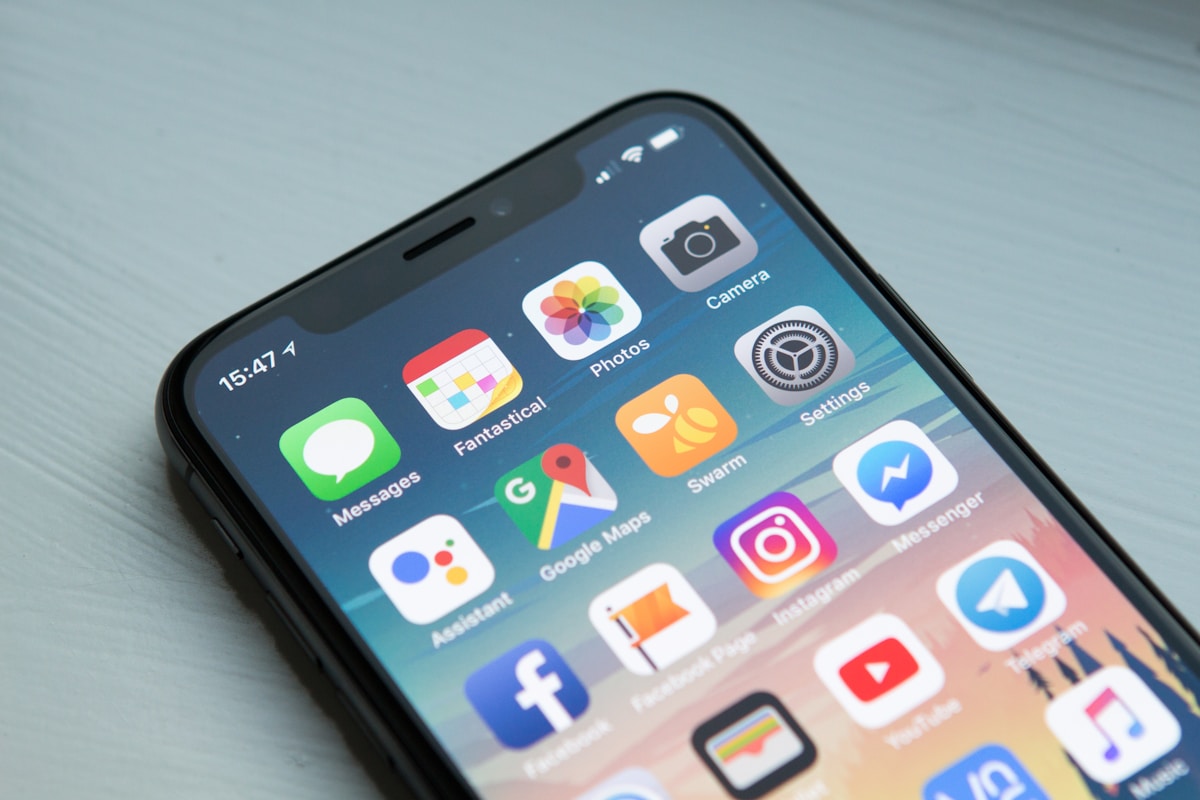
In the early weeks of dating, a phone becomes an emotional weather station: a fast reply feels like sunshine, a delayed one feels like a storm gathering, and a read receipt with no answer can ruin an otherwise good evening. This anxiety is extremely common, and it has less to do with insecurity than with uncertainty. When you do not yet know someone's patterns, every silence is ambiguous, and the human brain fills ambiguity with its worst guesses.
The key insight is that texting behaviour reveals far less than people assume. Some people reply instantly to everyone, others batch their messages twice a day, and many treat texting as a low-priority channel while being fully engaged in person. Judging a new partner's interest by reply speed alone is therefore unreliable; the meaningful comparison is not against your habits, but against their own baseline once you learn it.
Genuine disinterest does have signs, but they form a pattern rather than a single event. Look for replies that consistently grow shorter and colder over weeks, cancelled plans without rescheduling, and enthusiasm that never appears in person either. One slow reply after a great date means almost nothing; a steady decline in effort across messages, calls, and dates means a great deal. Patterns, not moments, tell the truth.
Busy life has its own recognisable signs, and they are easy to miss when anxiety is loud. A partner who apologises for delays, explains their schedule, initiates plans, and is warm and present in person is almost certainly interested, just occupied. Work deadlines, family obligations, and plain exhaustion all slow replies without changing feelings, and most adults have lived through enough of these to recognise the difference once they pause.
The healthiest response to texting anxiety is to widen the evidence you collect. Instead of refreshing the chat, notice how the person behaves on dates, whether they remember details you shared, and whether they make concrete plans for the future. In-person behaviour is a far richer signal than typing speed, and a partner who is attentive face to face but slow over text is giving you the answer that actually matters.
It also helps to say the quiet part out loud, kindly. A simple message like I really enjoy talking to you, and I sometimes overthink slow replies, is not needy; it is honest, and it gives the other person a chance to explain their habits. Most partners respond well to that kind of openness, and the conversation itself builds the trust that eventually makes the anxiety fade on its own. Related reading: modern dating tips for confidence and communication, first-date conversation tips, and love quotes for long-distance relationships.
If the anxiety stays intense despite reassurance and good in-person behaviour, it may be worth examining your own attachment patterns rather than the other person's phone habits. Journaling when the urge to double-text strikes, waiting an agreed time before following up, and keeping your own social life full all reduce the pressure on one thread of messages. A new relationship should add excitement to your life, not become its only source, and protecting that balance is the best cure for texting anxiety there is.
Attachment styles offer a useful lens for understanding why texting anxiety hits some people harder than others, though they are not a diagnosis or an excuse. People with an anxious attachment pattern tend to seek frequent reassurance and read delays as rejection, while avoidant partners may withdraw when they feel pressured, creating a cycle where one person's pursuit triggers the other's retreat. Recognising the pattern, without labelling or blaming your partner, lets you interrupt it: the anxious partner can practise self-soothing and patience, while the avoidant partner can offer small, consistent reassurances that cost little but mean a great deal. The healthiest new relationships find a middle rhythm, with enough contact to feel secure and enough space to stay independent. If anxiety remains overwhelming despite a kind and consistent partner, talking it through with a counsellor can help far more than analysing another read receipt ever will.
📖 Continue Reading the Full Story
Continue reading this article on ViralBuzz 168.
⚡ Access Full Content NowMore from ViralBuzz 168


 🍿 CosmoCinema 998
Best New TV Shows to Binge This Weekend in Fall 2026
Fall 2026 has delivered a strong run of new series across streaming. Here are the freshest shows worth startin...
 🎬 ReelHub Live
Technical Breakdown: Typing Speed Test — WPM & Accuracy Test Online (Day 14 Guide)
Architectural examination of our Typing Speed Test — WPM & Accuracy Test Online on ReelHub Live. Discover esse...
 🎮 GameVault 668
Best Free Games on Steam Right Now in 2026
Steam's free section hides genuinely great games behind a wall of shovelware. These are the free titles actual...
 ⚽ SportsBet Insights Live
Premier League Over Under Goals Betting Guide: Reading Totals Beyond the Obvious
Premier League totals are about pace, chances, and team styles, not just star strikers. Learn how to read an o...