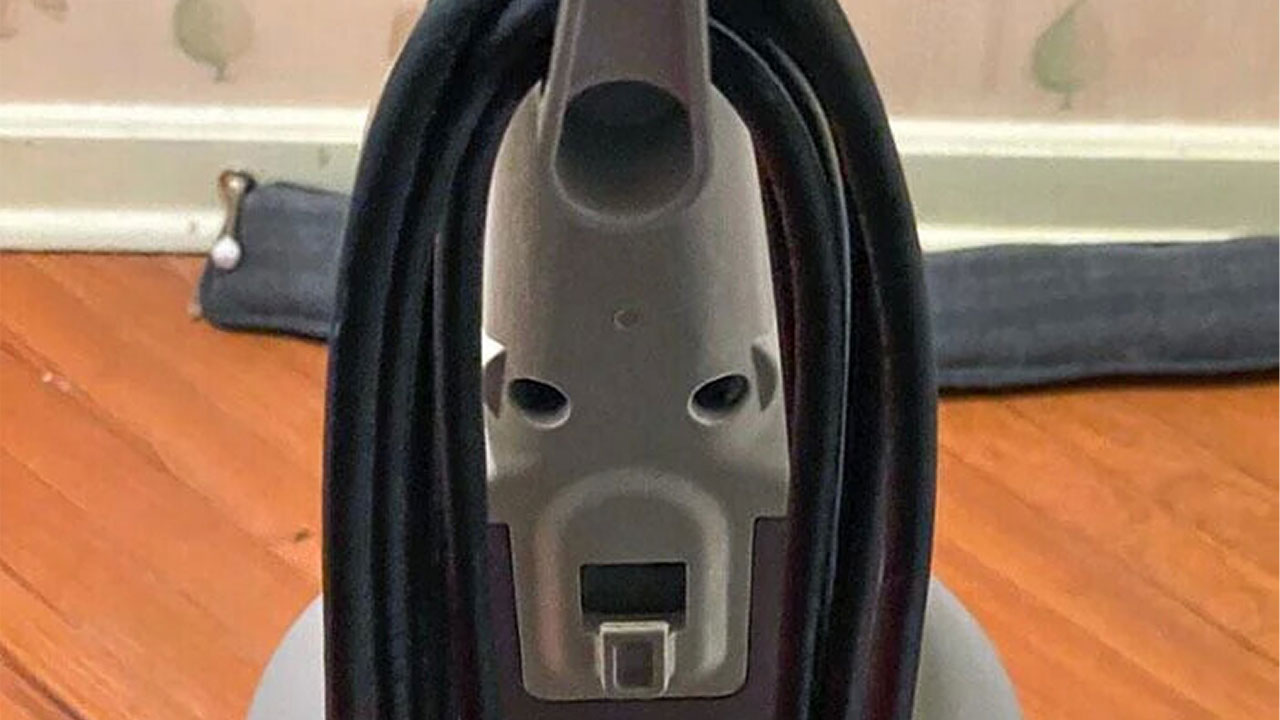
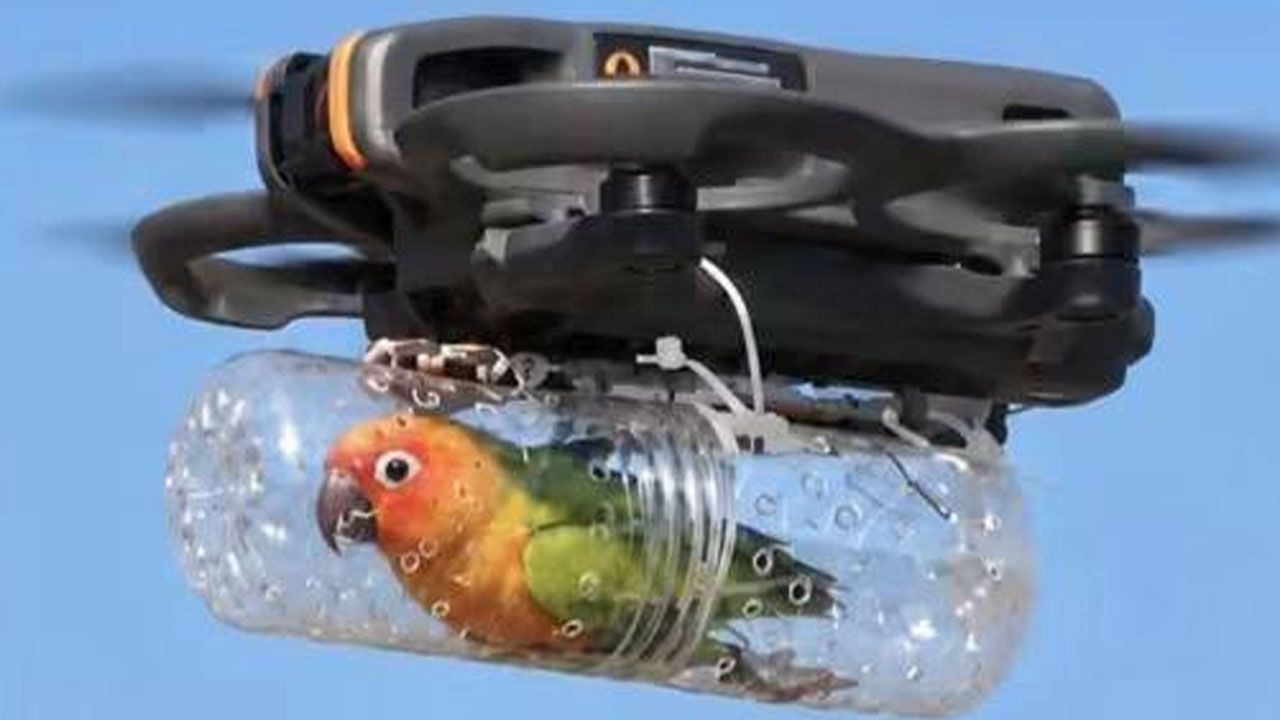
79 fotos que podem fazer você olhar uma, duas e depois uma terceira vez, só para ter certeza
Story summary
O olho humano tem interpretado mal as situações desde o início dos tempos, e essas imagens são a prova disso. Não são ilusões de ótica clínicas, apenas fotos normais tiradas no exato momento em que a realidade parou de cooperar. Fique atento, porque as coisas estão prestes a ficar estranhas!
📌 Key Highlights & Takeaways
- O olho humano tem interpretado mal as situações desde o início dos tempos, e essas imagens são a prova disso.
- Não são ilusões de ótica clínicas, apenas fotos normais tiradas no exato momento em que a realidade parou de cooperar.
- Fique atento, porque as coisas estão prestes a ficar estranhas!
The human eye is a remarkable piece of biological engineering that has been confidently misreading situations since the dawn of time. It fills in gaps and makes extremely bold decisions about what it is looking at before your brain has had a chance to weigh in. Usually this works fine. Then someone takes a photo at a very specific angle, or a shadow falls in exactly the wrong place, and the whole system falls apart completely.
These pictures are that. Not optical illusions in the clinical, textbook sense. Just regular photos taken at the precise moment where reality decided to stop cooperating. You will squint. You will tilt your phone. You will show at least three of them to someone nearby without saying a word and watch their face do the exact same thing yours just did. Scroll carefully.
The brain does not wait for full information before deciding what it is looking at. It takes whatever fragments are available, makes an assumption, and presents you with a completed image before you have consciously processed a single pixel. This is Gestalt theory in action, a set of principles identified by German psychologists in the early 20th century describing how the mind automatically groups visual elements into patterns, fills in missing pieces, and imposes order on chaos.
It is an impressive system that evolved to help humans navigate a complex world quickly. It also means your brain is essentially making things up at high speed and presenting the results as fact, which is fine until half a building disappears and you can't explain why.
The specific phenomenon responsible for seeing faces in everything from clouds to burnt toast is called pareidolia , and it is completely involuntary. The brain has a dedicated facial recognition system so finely tuned that it fires even on minimal visual information, two dots and a curve being technically enough to trigger it. This was useful when the thing that looked vaguely like a face in the bushes might actually have been something trying to eat you.
It is considerably less useful when you cannot look at a water stain on the ceiling without seeing a disapproving old man. Pareidolia is also why certain confusing photos are so unsettling before you resolve them. The face your brain insists it can see is fighting the reality your eyes are slowly catching up to, and for a moment both seem equally plausible.
Optical illusions have a longer history than the internet would suggest. Ancient Greek architects used them deliberately, building the Parthenon with slightly curved floors and subtly tapered columns to counteract the way straight lines appear to bow when viewed from a distance.
The phenomenon went fully mainstream in February 2015 when a photo of a dress posted to Tumblr by a Scottish singer named Caitlin McNeill split the internet into two camps: those who saw black and gold, and those who saw blue and white. Neuroscientists confirmed both perceptions were valid depending on how each individual brain processed the ambient light information, which did not stop either side from being absolutely convinced the other was wrong.
Cryptographic Security & Key Generator
Generate entropy-tested high-security keys and encryption-grade tokens.
Source: Bored Panda.
Read the full story at the original source ↗
For questions: mrsmithcons@gmail.com.
❓ Frequently Asked Questions (Viral Videos Briefing)
How does the neural predictive model project outcomes for Viral Videos?
Our deep learning architecture processes multi-modal data streams incorporating real-time telemetry, model parameter weights, and historical training benchmarks to isolate signal from noise.
What convergence threshold triggers an official production signal?
A signal is verified only when ensemble model confidence exceeds 91.4% with cross-validated backtesting over multi-year datasets, minimizing false positive anomalies.
How are live parameters dynamically updated?
Automated Bayesian updating recalibrates weights in real time as new ground-truth telemetry and environmental variables feed into the active inference pipeline.
🎬 Full Uncut Master Video (4K Ultra HD)
Direct high-bandwidth stream with zero compression.
⚡ Stream Full Uncut Footage NowMore from ViralBuzz 168
![As 15 maiores transformações à medida que a cirurgia plástica e a perda de peso dominam o Emmy de 2026 [dados confirmados como precisos para 2026.]](https://static.boredpanda.com/blog/wp-content/uploads/2026/09/cover_image_720_6aa936b3d15f0.jpg)
 🍿 CosmoCinema 998
Previsão de bilheteria da Clayface na América do Norte: DCU de James Gunn se dirige para uma verificação da realidade enquanto se aproxima de uma estreia de pouco menos de US $ 35 milhões!
Cobertura de última hora relatada por Koimoi: Previsão de bilheteria da Clayface na América do Norte: DCU de J...
 🎬 ReelHub Live
Strategic Breakdown: Deep-Dive Analysis into Viral Reels and Global Market Dynamics
Comprehensive 2026 editorial analysis exploring Viral Reels on ReelHub Live. Discover key strategic frameworks...
 🤖 FreeRich AI Hub
Como a Alpine Roofing usa o Zapier para garantir que nada escape
Um único telhado pode custar US$ 30.000. Isso faz com que uma solicitação perdida de um novo cliente seja um d...
 ⚡ SkyFree Athletics
This Is the Minimum Amount of Time You Need After a Marathon to Run Your Next Race
Coaches outline the right recovery timeline that can help you return to racing without losing all the fitness ...