67 cosas y experiencias distópicas que de alguna manera se han convertido en una parte normal de la vida cotidiana
Story summary
La distopía no siempre se parece a Oceanía o Gilead. En la vida real, puede parecer un chatbot que confundiste con una persona real, un trabajo que perdiste debido a la IA o un influencer que participa en una pelea de MMA con un robot de seis pies. Esas no son escenas de algún futuro distópico lejano; son cosas que pasan en el mundo
📌 Key Highlights & Takeaways
- La distopía no siempre se parece a Oceanía o Gilead.
- En la vida real, puede parecer un chatbot que confundiste con una persona real, un trabajo que perdiste debido a la IA o un influencer que participa en una pelea de MMA con un robot de seis pies.
- Esas no son escenas de algún futuro distópico lejano; son cosas que pasan en el mundo
Dystopia doesn’t always look like Oceania or Gilead. In real life, it can sneak up on us—a chatbot you mistook for a real person, a job you lost to AI, or an influencer entering an MMA fight with a six-foot robot . Those aren’t scenes from some far-off dystopian future; they’re things happening in the world around us right now. And once you start seeing them through that lens, they’re pretty hard to ignore. Whether it’s technology, work, politics, or everyday life, spilling the tea on these things can feel like practically a moral duty.
That’s exactly what Redditors on r/PoursTea have been doing. We’ve gathered some of their most unsettling posts, which together show just how strange—and how quietly dystopian—everyday life has become. In the sub’s own words, “Sip a little, spill a little but stay for the receipts.”
Fictional dystopias have traditionally given us societies where ordinary people have little control over their lives, while governments, corporations, or institutions call the shots—just think of Orwell’s 1984 , Huxley’s Brave New World , Collins’ The Hunger Games , or Atwood’s The Handmaid’s Tale . But you don’t need a totalitarian government or a post-apocalyptic wasteland for something to feel dystopian . Sometimes, it’s the growing uneasy sense that the systems that govern everyday life simply aren’t working for the people they’re meant to serve.
That feeling—that the systems around us aren’t working for the people they’re supposed to serve—isn’t imaginary, either. A September 2026 survey from the Partnership for Public Service found that just 27% of Americans said that they trusted the federal government, down six percentage points from the previous year. As Paul Hitlin, the organization’s senior research manager, said, “It’s a small decrease, but the larger overall trend is a real concern—that only about a quarter or so of the public trusts the government.”
It’s perhaps reassuring, then, that the picture looks a little different when it comes to Americans’ thoughts on civil servants. The survey found that for each of the last four years, at least 42% of the public said they trust them. And sure, that number’s not particularly high (it’s still greater than the trust given to the federal government), but the survey did see improvement when it came to people’s views of civil servants: 61% agreed with the statement “Most civil servants are committed to helping people like me,” while 65% said they considered civil servants competent.
But while Americans may be warming to the people working within government, that doesn’t necessarily mean they’ve developed newfound faith in the system itself: About 72% described the government as corrupt (up from 67% in 2025), and about 75% called it wasteful (up from 61% in 2025). Only 37% agreed that the government has a positive impact on the country (down from 42% in 2025).
The report notes that these negative views of government aren’t problems that started with the current administration, but argues that they have been “exacerbated” by it, adding that “The persistence of negative views that the government is corrupt and wasteful is a trend that warrants urgent attention.”
But there’s another finding that complicates the picture. Despite the low trust overall, Americans who have had direct experiences with government viewed those experiences more positively than negatively, the Partnership’s research showed. About 49% of the public said they had had positive personal experiences with the federal government, down slightly from 51% last year—but still higher than the 38% who said they had had a negative personal experience.
Cryptographic Security & Key Generator
Generate entropy-tested high-security keys and encryption-grade tokens.
Source: Bored Panda.
Read the full story at the original source ↗
For questions: mrsmithcons@gmail.com.
Exclusive 4K Trending Video Stream — Uncut, High-Speed & Zero Buffering
Watch the latest viral videos, crazy internet stunts, trending TikTok reels, and hilarious memes updated daily.
Watch HD Stream ➔🎬 Full Uncut Master Video (4K Ultra HD)
Direct high-bandwidth stream with zero compression.
⚡ Stream Full Uncut Footage NowMore from ViralBuzz 168

 🍿 CosmoCinema 998
Las películas escritas por mujeres obtienen mayores ganancias de taquilla que las masculinas, según un estudio
Cobertura de última hora informada por la agencia de noticias ISNA: Las películas escritas por mujeres obtiene...
Donna’s Revenge: My Adopted Sons Hurt My Daughter | Episodes 1-25 Eng Sub (Short Drama)
Watch till the end 🎥 Follow for more movies!...
 🐋 CryptoAce VIP
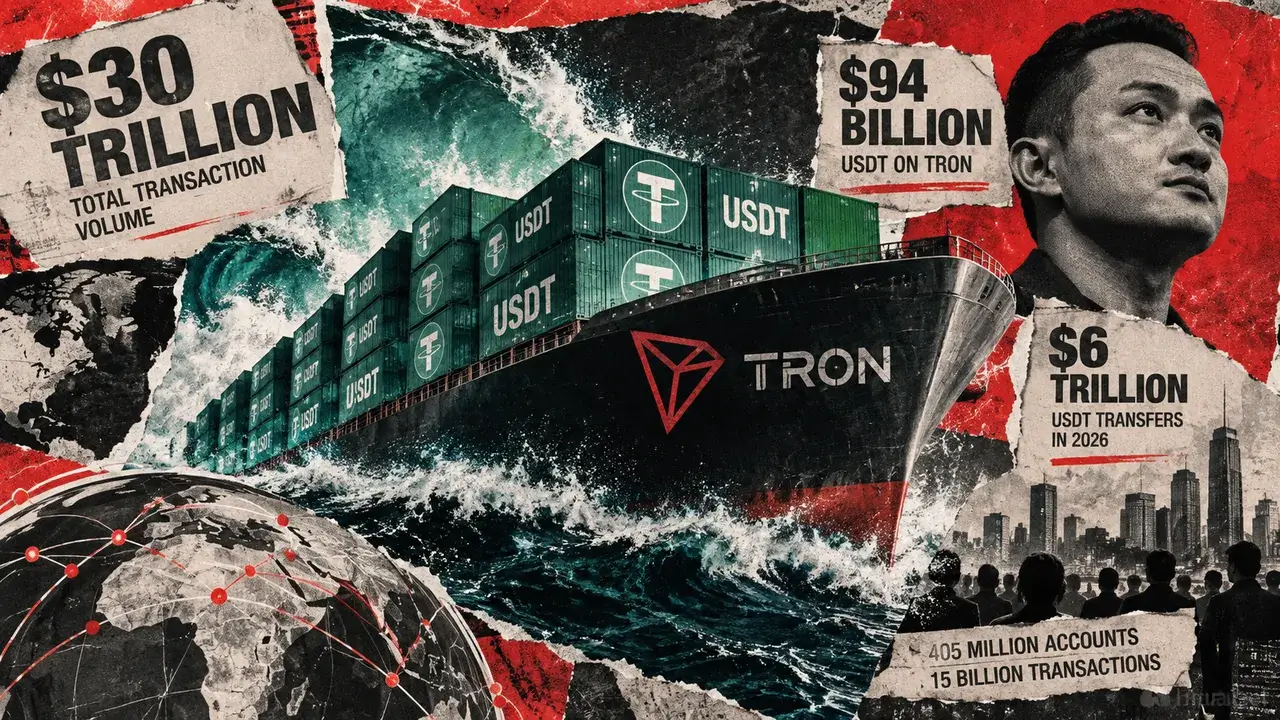
Why TRON’s $30 trillion lifetime volume could become a trap
The network total covers all assets since launch; the DAO separately cites about $6 trillion in USDT transfers...
🛍️ Caylin Shop
TikTok Shop adds big names like Best Buy in push to become a mainstream marketplace
Breaking coverage reported by Retail Brew: TikTok Shop adds big names like Best Buy in push to become a mainst...